How to Get Hair PRP Therapy- From Consultation to Aftercare
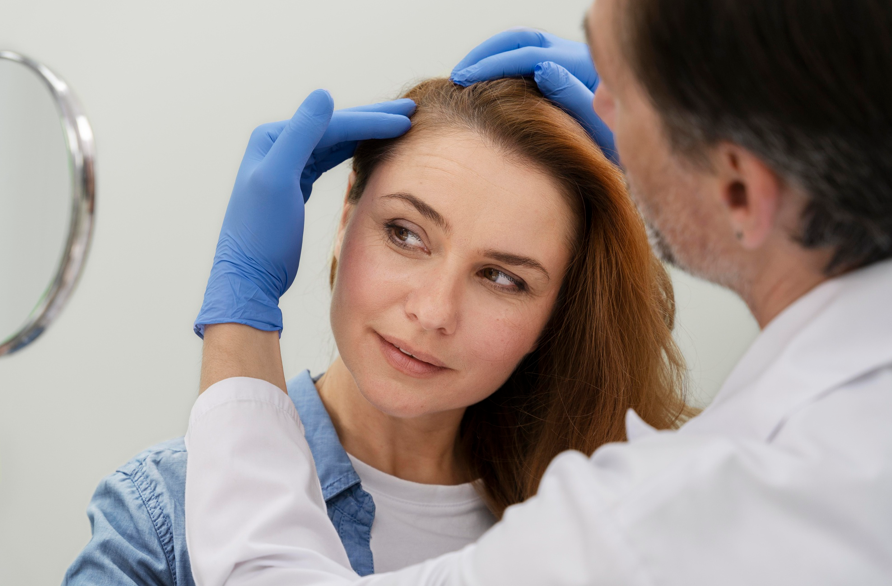
PRP (Platelet-Rich Plasma) therapy for hair is a non-surgical medical procedure where the patient’s own blood is used to boost hair growth and reduce thinning. This therapy is usually considered safe for people because, to treat the condition, their own blood is being used, so the chances of getting an adverse reaction to the medicine are almost zero.
Key Takeaways
- PRP therapy is a great choice for hair regrowth, as in the process, the blood of the patient is used, so there is no chance of a negative outcome from the treatment for your health.
- People who have a higher platelet count are suitable for this treatment.
- If you have a blood infection, cancer, or blood-thinning issues, you should not opt for this treatment.
In Canada, instead of depending on pharmaceutical medicines, such as finasteride or minoxidil, people are shifting towards PRP therapy for hair growth.
How PRP Reboots The Hair Growth Cycle?
You should understand the science behind its success before getting the therapy.
Growth Factors
In PRP therapy, plasma-rich platelets release numerous growth factors, such as PDGF, TGF-β, VEGF, EGF, etc. These growth factors play key roles in stimulating hair growth and protect hair follicles from premature fall.
The Anagen Phase
Platelet-rich plasma is known to prolong the hair growth phase, commonly known as the anagen phase. The growth factors released by the platelet-rich platelets strengthen the hair follicles and activate the dermal papilla cells that act as a biological engine for hair growth.
Is PRP Therapy Right For You?
In Canada, PRP therapy is becoming popular day by day. People looking for hair PRP in Laval, Gatineau, Montreal, and the West Island area in Canada.
Who Is The Ideal Candidate For PRP?
Those who have just begun to experience hair loss or thinning are suitable for this PRP hair treatment. Hair thinning is a common issue among younger individuals, but people of any age group experiencing hair thinning might benefit from this treatment.
People who have a higher level of platelet counts are ideal for PRP because growth factors will be more abundant in their blood, compared to individuals who have a lower platelet count.
When PRP Is Not The Answer?
People who have active blood infections, chronic liver disease, cancer, or a lower platelet count are not suitable for PRP treatment.
People who take blood-thinning medication also should not go for PRP because these medications affect the platelet count in your blood, and you might not get the result you expected.
How To Take The First Step At PRP Therapy?
Before stepping into the PRP therapy for hair regrowth, get a clear idea about the existing condition of your scalp.
Scalp Analysis And Personalized Treatment Mapping
To diagnose the cause of hair loss and examine the follicle health, scalp health analysis is a mandatory process for getting PRP therapy. High-resolution photographs are used to track the changes in volume, quality, and density over time.
A hair-pulling test is also essential to assess the strength of the follicles by gently pulling 20-60 hair strands.
After completing the diagnosis, your physician will tell you how many sessions you might need to get the optimal result.
Most patients need 4-6 PRP sessions to get visible hair regrowth.
Get a full blood test to know the platelet count before getting the therapy.
What Is The Procedure Of PRP Therapy?
The whole procedure of PRP therapy is completed in three steps: blood drawing, double spinning, and injecting the solution into the affected area.
At first, 10-60 ml of blood needs to be drawn from the patient, usually from the arm.
Then the collected blood is placed into a tube and centrifuged at a low spin to differentiate the red blood cells at the bottom, and plasma and platelets at the top layer of the tube. After that, the platelets are transferred into a new tube and spun at a high speed to separate platelet-poor plasma and platelet-rich plasma. Platelet-rich plasma is highly concentrated and suitable to inject in the scalp near the hair follicles. Per session, at least 0.2-0.3 ml is injected into the multiple affected areas with the help of a 1 ml insulin syringe.
How To Handle The Recovery And Aftercare Period?
After taking the treatment, to get the optimal result from PRP hair therapy, you should follow the instructions given by your dermatologist.
Post-Operation Instructions
- Do not wash your hair for at least one to two days because platelets need time to settle into your scalp.
- Avoid touching or massaging the scalp, as it can cause itching or irritation.
- Do not wear a helmet or a cap because putting extra pressure on the scalp is usually not recommended.
- Smoking and alcohol can affect the function of the platelets, so avoid them until the treatment is finished.
- Sweat can affect platelets, so heavy exercise and exposure to the sun should be avoided. Canadian winter is the right time for getting PRP treatment because less UV exposure enables quick healing. Hair PRP in Gatineau, Montreal, Ottawa, and Laval is very popular for this reason.
See also: Manchester Tenants Reveal 7 Costliest Move-Out Mistakes
What To Expect From PRP?
For the first few days, you might experience bruising, redness, swelling, or itching in the scalp. After taking the PRP therapy, at the initial stage, you might experience hair shedding, which is known as telogen effluvium, but within 4 to 12 months, the hair usually grows back.
Are You Thinking About Taking PRP Therapy For Hair Growth?
If you are facing problems with hair thinning, visit a well-reputed hair care clinic and consult with an experienced dermatologist to get the solutions.