The Rise of Oral Weight-Loss Medication: What UK Patients Need to Know
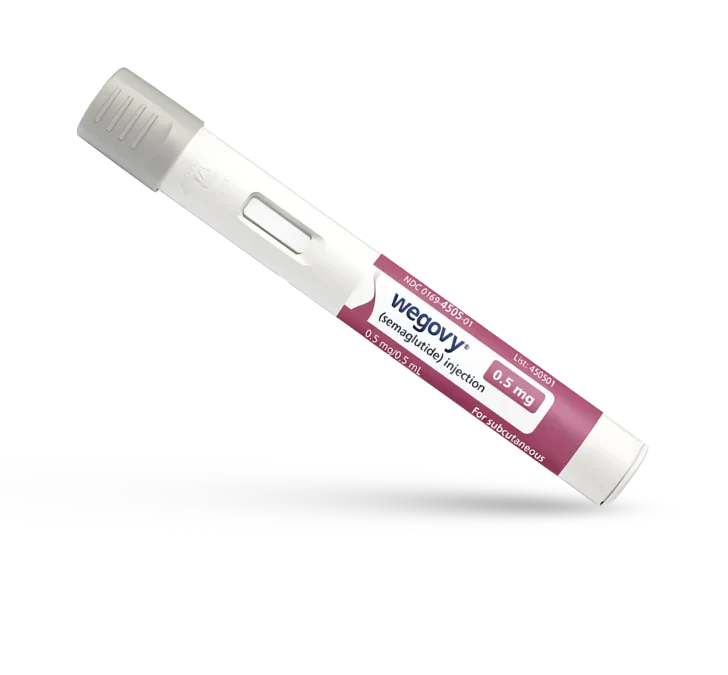
For years, prescription-strength weight-loss treatment in the UK meant a weekly injection. That’s changing. An oral tablet version of a GLP-1 medication — taken once a day rather than injected — is now licensed and available through UK-registered pharmacies, giving patients a needle-free route to the same active ingredient used in the injectable version.
For anyone who has ruled out injectable treatment because of needle phobia, travel, or simply personal preference, this shift matters. Here’s what’s worth understanding before starting.
How the Tablet Differs From the Injection
Both formulations use the same GLP-1 receptor agonist and work in broadly the same way: slowing gastric emptying, reducing appetite signals, and supporting more stable blood sugar regulation. The difference is delivery.
The tablet uses an absorption technology that protects the medication from being broken down by stomach acid, allowing it to be absorbed through the lining of the small intestine rather than administered via injection. That means daily dosing rather than weekly, and a specific administration routine — taken on an empty stomach with a small amount of water, at least 30 minutes before any food, drink, or other oral medication. Miss that window and absorption drops significantly, so it suits patients who can build a consistent morning routine around it.
Injections, by contrast, offer more flexible timing but require comfort with self-injection and refrigerated storage.
See also: A Complete Guide to Must-Have Services for Your Home Renovation
What the Clinical Data Shows
In the OASIS-1 phase 3 trial, adults taking the oral formulation at the studied dose achieved substantially greater average weight reduction over 68 weeks compared with placebo, alongside improvements in waist circumference, blood pressure, and metabolic markers. As with any weight-management treatment, individual results vary depending on adherence, diet, and physical activity — and the most significant effects generally build over many months rather than weeks.
The most commonly reported side effects are gastrointestinal — nausea, diarrhoea, constipation — and tend to be most noticeable during dose escalation before easing as the body adjusts. A gradual dose titration over several months, guided by a prescriber, is the standard approach to minimising these effects.
Who’s Eligible
This is a prescription-only medicine in the UK. Licensed use is for adults with a BMI of 30 kg/m² or above, or 27 kg/m² or above with a weight-related condition such as type 2 diabetes or hypertension. It isn’t suitable for everyone — there are contraindications around thyroid history and gastrointestinal disease, and it isn’t an option during pregnancy or breastfeeding. Any legitimate route to this treatment starts with a clinical assessment by a UK-registered prescriber who reviews medical history and current medications before anything is dispensed.
What It Costs and How Access Works
Wegovy pill cost is one of the more common questions patients have, since pricing structures vary between pharmacies and often aren’t clear until after a consultation. Dose strength — which increases gradually over the first several months of treatment — is the main driver of price, so patients should expect costs to rise as they move through the titration schedule.
For a breakdown of current UK pricing by dose, along with a comparison against the injectable version and other weight-management medications, Cured Pharmacy’s Wegovy cost page sets out the full cost structure and what’s included at each stage.
Choosing Where to Get It
Because this medication is prescription-only, it should never be available without a genuine clinical consultation. Patients considering treatment should check that any pharmacy they use is GPhC-registered, that pricing is transparent before checkout rather than hidden until after assessment, and that medicines are sourced through regulated UK supply chains rather than grey-market imports. A registered UK online pharmacy will also offer ongoing prescriber support for dose adjustments and side-effect management, not just a one-off sale.
This article is for general information only and does not constitute medical advice. Prescription weight-loss medication should only be started following assessment by a qualified, UK-registered prescriber. Individual suitability, dosing, and results vary.