
Feeding Your Exotic Pet: Seasonal Diet Tips for Belfast Pet Owners
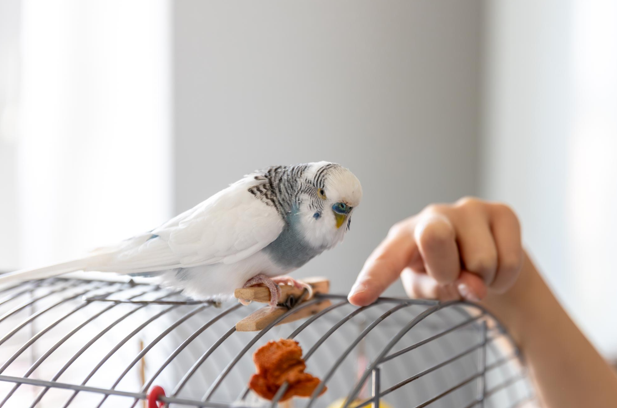
Seasonal diet adjustments are needed for exotic pets. This is due to the temperature changes, daylight hours, along with the humidity directly affecting their metabolism. It even affects their appetite and nutritional requirements.
Key Takeaways:
- Spring & Summer: Gradual food increases wake up their metabolism in spring, while summer requires lighter meals and high hydration
- Autumn & Winter: Shorter days trigger a natural digestive slowdown, requiring reduced feedings or full halts for brumating species
- Belfast Climate Impact: Indoor central heating and damp weather mean owners must strictly manage enclosure heat and humidity year-round
Belfast’s season affects your exotic pet’s diet majorly.
This blog will highlight the simple and expert tips for feeding your pet reptiles, birds, and inverts.
Why Do Seasons Actually Matter for Exotic Pet Feeding in Belfast?
Adapting indoor exotic pet schedules to the famously damp, cool, and overcast climate of Belfast is essential.
Aligning calories, temperature shifts, and light cycles to the changing seasons supports a healthy, natural metabolism along with prevention of overfeeding.
Shorter winter days observe slower metabolism in reptiles and inverts. On the other hand, long summer days observe increased activity levels as well as caloric needs in furry animals and birds.
To lead longer-living pets, feeding schedules need to be developed right in each season.
See also: How Durable Are Flush Doors? Lifespan, Strength & Maintenance
Spring Feeding Tips for Exotic Pets
Reptiles require a gentle change to feeding as they emerge from their winter season diet and slower metabolic period. So, manage your routines for exotic pet food in Belfast accordingly:
In order to safely manage your reptile’s spring feeding routine, you need to:
- Offer smaller prey sizes
- Monitor hydration
- Gradual increase in feeding frequency
- Reintroduce supplements (calcium and vitamin D3 powders)
Nutrition boost for birds-
- Spring triggers breeding behaviour, birds need more protein and calcium
- Introduce egg food, sprouted seeds, and mineral supplements
- Fresh fruit and veg portions can increase as birds become more active
Spring is the prime feeding season for inverts (like Tarantulas, Mantis, Jumping Spiders)-
- Offer live food (crickets, fruit flies, mealworms) more regularly
- Jumping spiders especially love active prey, bottle flies work brilliantly in spring
Summer Feeding Tips for Exotic Pets
This is the peak feeding season for reptiles
- Summer is when most reptiles are at their most active and hungriest
- Feed bearded dragons daily (juveniles) or every 2 days (adults)
- Gut-load your live insects for better nutritional value
- Hydration matters, mist enclosures and offer water dishes more often
During the summer transition, change your bird’s diet to a faster, fresher summer menu. This will help them to stay hydrated and cool.
- Replace heavy, calorie-dense seed mixes with crisp leafy greens, berries, and seasonal fruits
- Always ensure a constant supply of fresh and clean drinking water
Caring for small exotic pets like degus, rats, and chinchillas requires careful attention to diet during warmer months.
The treat and diet guidelines include-
- Limiting sugary treats
- Ensuring constant access to fresh and clean water
- Depend on fresh, water-rich vegetables in moderation rather than sugary fruits
Autumn Feeding Tips for Exotic Pets in Belfast
As autumn approaches, the natural biological clock of your reptile triggers slower digestion due to short daylight hours.
Key adjustments you need to make in the feeding patterns for your pet reptile are-
- Gradually reduce the number of feedings to smaller, softer, and easy to digest prey
- Ensure proper heat to digest whatever food they do consume
Prepare backyard birds for winter by offering-
- High-fat seed mixes (Black oil sunflower, safflower, peanuts, and suet)
- Vitamin D3 supplements
In order to keep pet invertebrates healthy during the seasonal transition-
- Never force your pet to eat, as it is completely normal for feeding rates to drop as temperatures cool
- Always take out uneaten live insects from the enclosure
- Ensure to maintain appropriate tropical or subtropical temperatures to prevent them from going into a premature or unsafe diapause
These need to be retroactively included in your autumn food purchasing conditions from an exotic pet shop in Belfast.
Winter Feeding Tips for Exotic Pets in Belfast
During colder weather, some reptiles enter brumation.
- For brumating species, keep them in a temperature-controlled environment and monitor weight closely.
- For non-brumating species, reduce how often you feed, as their metabolism naturally slows.
Keeping your birds warm and fed during colder months requires a few adjustments-
- Increase caloric intake slightly, birds burn more energy staying warm
- Warm soft foods (cooked rice, scrambled egg) can be introduced occasionally
- Ensure no food sources freeze in colder rooms or outdoor aviaries
Here are the best ways to manage your tarantulas and mantis through the colder Belfast months-
- Keep enclosure humidity correct, Belfast winters dry out homes with central heating
- Offer a small prey item once a fortnight to check interest
| Season | Reptiles | Exotic Birds | Invertebrates | Small Mammals (Degus/Rats) |
| Spring | Smaller prey sizesGradual frequency increaseReintroduce calcium | High protein & calcium (egg food)Increase fresh produce | Increase live feeding frequencyOffer active prey | Maintain baseline dietMonitor weight transitions |
| Summer | Standard feeding scheduleStrict hydration tracking | Lighter, water-rich foodsReduce heavy, oily seeds | Standard feedingIncrease enclosure misting intervals | Limit sugary treatsProvide crisp, water-rich vegetables |
| Autumn | Reduce frequency & prey sizeEnsure strict heat support | Transition to high-fat fuels (suet, sunflower seeds) | Expect appetite dropsRemove uneaten live prey quickly | Build up caloric density slightly for winter prep |
| Winter | Brumating: Halt food entirely Non-Brumating: Scale back frequency | Boost calories slightlyOffer occasional warm, soft foods | Feed minimally (once a fortnight)Heavily manage humidity | Monitor room draftsMaintain high-quality hay and pellets |
Table: Seasonal Exotic Pet Feeding
To Summarize
Seasonal temperature and daylight shifts in Belfast directly impact exotic pet metabolisms. Spring requires a gradual nutritional buildup, while summer demands high hydration and lighter meals.
Autumn signals a digestive slowdown, transitioning into winter where feeding frequencies drop significantly or halt entirely for brumating species, alongside strict indoor humidity and heat management.
Ready To Master Your Exotic Pet’s Seasonal Routine?
Do not let Belfast’s unpredictable weather compromise your exotic pet’s health. Head over to the best online store or in-store today to stock up on premium, species-specific supplements, specialized winter heating tech, and fresh live food tailored for every season!