How WhatsApp Web Version Login Works Differently from Telegram’s Chinese Design
Introduction
In the realm of instant messaging, the ability to seamlessly transition from a mobile phone to a desktop computer is not just a luxury but a necessity for many users. Two of the world’s most prominent platforms, WhatsApp and Telegram, offer robust web and desktop applications. However, their underlying login philosophies, especially when considering Telegram’s unique stance in regions like China, are fundamentally different. Understanding the mechanics of WhatsApp web version login and the architecture of Telegram Chinese operations reveals a stark contrast in design, security, and accessibility.
The Mirroring Principle of WhatsApp Web
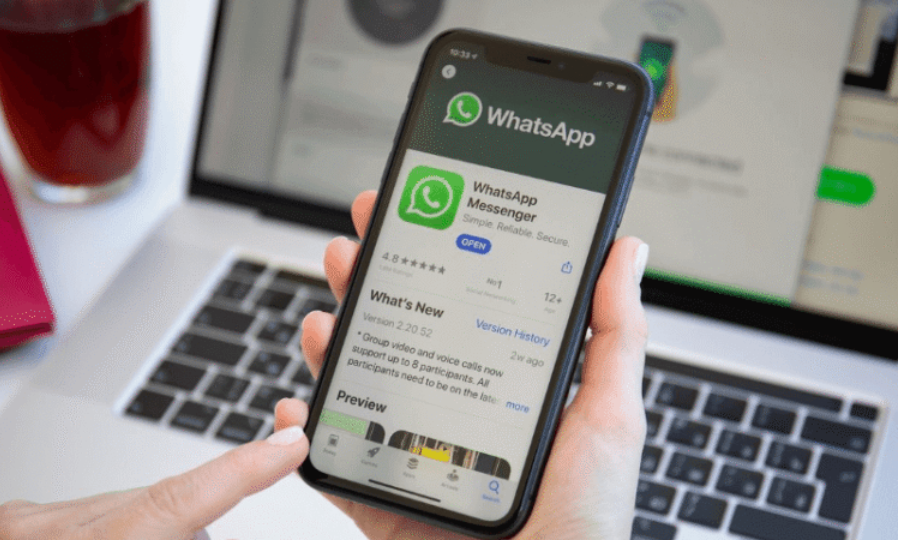
The core of the WhatsApp web version login process is mirroring. Unlike standalone applications, WhatsApp Web does not function independently. To initiate a session, a user must visit web.whatsapp.com and scan a unique QR code using the ‘Linked Devices’ feature within their mobile WhatsApp application. This QR code does not contain login credentials. Instead, it acts as a secure token that pairs the web browser with the user’s phone. The crucial aspect here is that the phone must maintain an active internet connection for the web client to work. All messages are still sent and received through the mobile device, which acts as a relay server. This design ensures that the WhatsApp web version login is inherently tethered to the primary mobile device.
Telegram’s Independent Cloud-Based Architecture
In direct contrast, Telegram employs a cloud-native and independent architecture. When you log into Telegram Desktop or its web version, you are not merely mirroring your phone. You are logging into your Telegram account directly. This process typically involves receiving a one-time password via SMS or an in-app login code. Once authenticated, the desktop client operates autonomously. All your chats, media, and contacts (which are stored in Telegram’s cloud) are synchronized directly to the device. Your phone can be turned off, and the desktop client will continue to send and receive messages without interruption. This independence is a key differentiator from the Whatsapp网页版登入 model.
See also: Exploring the Potential of 6G Technology
Security Implications: Tethering vs. Autonomy
The differing login mechanisms lead to distinct security postures. The WhatsApp web version login system, with its phone-as-a-server model, benefits from end-to-end encryption that is maintained across the link. Since the phone is the central hub, compromising the web session requires an attacker to have both the physical QR code (which expires quickly) and access to the paired phone. However, if the primary phone is lost or damaged, all linked web sessions are automatically logged out. Telegram’s model offers convenience and device independence but places more trust in its cloud infrastructure. While it provides robust security, the cloud-based nature means users must rely on Telegram’s servers for data protection, a point of consideration for all users, including those concerned with Telegram Chinese data policies.
The Chinese Context: A Tale of Accessibility
The discussion of Telegram Chinese accessibility highlights another critical divergence. WhatsApp is consistently blocked in China, making its web version inaccessible without a VPN. The WhatsApp web version login is futile if the mobile app itself cannot connect to its servers. The landscape for Telegram Chinese users is more nuanced. Telegram has also faced widespread blocking by the Great Firewall. However, its distributed server infrastructure and support for proxy configurations allow determined users to maintain access. This technical flexibility means that while not officially available, the Telegram Chinese user experience is often defined by workarounds that its protocol can support, unlike the more rigid client-server relationship of WhatsApp.
User Experience and Convenience
From a user experience perspective, Telegram’s independent login offers significant convenience. Users can have multiple active sessions on different devices phones, tablets, laptops all functioning simultaneously and independently. Setting up a new device is a one-time process. The WhatsApp web version login, while secure, creates a dependency. The constant need for the primary phone to be connected to the internet can be a limitation, especially in areas with poor mobile connectivity. The experience of using Telegram中文 proxies, while a workaround, still maintains this multi-device independence once the connection is established.
Data Synchronization and Storage
The login method directly influences data management. With Telegram, because every client is a primary client logging into the cloud, data synchronization is seamless and instantaneous across all logged-in devices. Deleting a message on one device deletes it from all devices. In the WhatsApp web version login model, the web client is an extension of the phone. While chats are synced, some data, like downloaded media, may reside locally on the phone and not transfer to the web version. This tethered nature means the mobile app remains the central repository.
Design Philosophy: Reflecting Core Principles
Ultimately, these technical differences reflect the core philosophies of each platform. WhatsApp, owned by Meta, prioritizes a model where the smartphone is the undeniable center of the user’s digital identity, with encryption tightly bound to it. The WhatsApp web version login is a feature, an accessory to the mobile experience. Telegram, built by privacy advocates, champions cloud sovereignty and device-agnostic access. Its design empowers users to treat any device as their primary device, a principle that even extends to the complex realities faced by Telegram Chinese enthusiasts navigating internet restrictions.
Conclusion
The login mechanisms of WhatsApp Web and Telegram Desktop are more than just procedural differences; they are manifestations of divergent design ideologies. The WhatsApp web version login offers a secure, phone-dependent mirroring service, ensuring the mobile device remains the central hub of communication. Conversely, Telegram provides a cloud-independent, multi-device experience that prioritizes flexibility and accessibility, a feature that proves resilient even in restrictive environments like those navigated by Telegram Chinese users. For the end-user, the choice often boils down to a preference between the fortified, phone-centric security of WhatsApp and the liberated, cloud-based convenience of Telegram.