Illuminating Modern Interiors: Trends and Innovations in Design
The interior design industry has evolved dramatically over the past decade, embracing technology, sustainability, and innovative aesthetics to transform spaces. Lighting has emerged as a fundamental element of design, shaping ambiance, functionality, and visual appeal. From residential apartments to commercial offices, thoughtful lighting can enhance the perception of space, influence mood, and improve overall user experience. In cities like Hong Kong, where urban environments demand both practicality and style, specialized services such as lighting design hong kong play a critical role in achieving exceptional interiors.
This article explores the importance of lighting in interior design, current trends, technological advancements, and how professional lighting solutions can transform both residential and commercial spaces.
The Role of Lighting in Interior Design
Lighting is more than just a source of illumination. It serves as a tool to highlight architectural features, create atmosphere, and influence psychological and emotional responses. Designers now recognize that lighting has a dual purpose: enhancing aesthetics while promoting functionality.
Aesthetic and Functional Balance
Effective interior design incorporates lighting that complements architectural elements and decor. For example, accent lighting can draw attention to artwork or feature walls, while ambient lighting creates a comfortable and inviting environment. Functional lighting, on the other hand, ensures that workspaces, kitchens, or reading areas are adequately illuminated for daily activities. Achieving a balance between these two aspects is a hallmark of professional lighting design.
Enhancing Spatial Perception
Lighting also influences how we perceive space. Properly positioned lighting can make small rooms appear larger, highlight textures, and create a sense of depth. In densely populated urban areas such as Hong Kong, where apartments and offices often have limited square footage, strategic lighting is essential to maximize visual space and enhance comfort.
Advantages of Professional Lighting Design
Collaborating with experts in lighting design hong kong provides several advantages that go beyond simple fixture selection. Professional designers combine technical knowledge, creative vision, and an understanding of human behavior to deliver comprehensive solutions.
Expertise and Technical Knowledge
Professional lighting designers understand how different types of lighting—ambient, task, and accent—interact within a space. They consider factors such as color temperature, brightness, fixture placement, and energy efficiency to create an optimal lighting environment.
Customization and Personalization
Every space has unique requirements based on its function, layout, and intended ambiance. Lighting designers work closely with clients to develop tailored solutions that align with lifestyle, brand identity, and aesthetic lighting design hong kong preferences. For instance, a modern office may require bright, evenly distributed lighting for productivity, while a luxury restaurant may benefit from warm, dimmable lighting to create an intimate atmosphere.
Integration with Interior Design
Lighting is most effective when integrated seamlessly with interior design. Designers coordinate with architects, interior designers, and contractors to ensure that lighting complements furniture, finishes, and architectural elements. This integrated approach results in cohesive spaces where every detail is considered.
Current Trends in Lighting Design
The interior design industry continuously evolves, with lighting trends reflecting broader cultural, technological, and environmental shifts.
See also: A Complete Guide to Must-Have Services for Your Home Renovation
Sustainable and Energy-Efficient Solutions
Sustainability has become a major focus in modern interior design. LED lighting, motion sensors, and automated controls reduce energy consumption while providing customizable lighting options. Many designers now incorporate eco-friendly materials and energy-efficient fixtures to meet both client expectations and regulatory requirements.
Smart Lighting Systems
Smart lighting systems allow users to adjust brightness, color temperature, and schedules through mobile devices or voice commands. These systems enhance convenience, reduce energy consumption, and allow for dynamic control of ambiance. In commercial environments, smart lighting can also improve productivity and reduce operational costs.
Layered Lighting
Layered lighting involves combining multiple lighting types to create depth and versatility. For example, an interior may use ambient ceiling lights for general illumination, pendant lights over a dining table for focal points, and LED strips for accentuating architectural features. This approach provides flexibility and allows spaces to adapt to different activities and moods.
Biophilic and Wellness-Focused Lighting
Lighting that mimics natural light cycles is gaining popularity, particularly in residential and wellness-oriented spaces. Circadian lighting, which adjusts color temperature throughout the day, supports sleep patterns, productivity, and overall well-being. Designers are increasingly incorporating these principles to enhance health and comfort in both home and office environments.
Lighting Solutions for Residential Spaces
Residential interiors benefit greatly from thoughtful lighting design. From living rooms to kitchens and bedrooms, proper lighting enhances comfort, aesthetics, and functionality.
Living Rooms and Common Areas
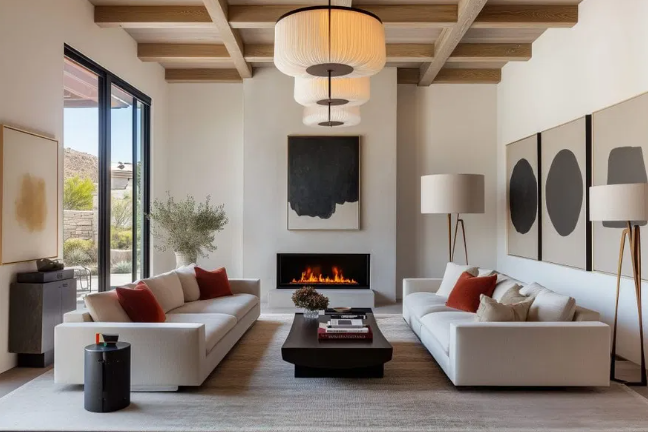
In living rooms, layered lighting creates versatile spaces suitable for relaxation, entertainment, and socializing. Designers often combine ceiling lights, floor lamps, and wall-mounted fixtures to achieve a balanced and inviting atmosphere. Accent lighting highlights artwork, architectural details, or focal points such as a fireplace.
Kitchens and Functional Spaces
Kitchens require task-oriented lighting to ensure safety and efficiency during food preparation. Under-cabinet LED strips, pendant lights above islands, and recessed ceiling lights are commonly used in modern kitchen designs. In Hong Kong apartments, where space is limited, strategic lighting maximizes usability without overwhelming the room visually.
Bedrooms and Private Areas
Bedrooms benefit from adjustable lighting that supports relaxation and sleep. Dimmer switches, bedside lamps, and warm-toned lights create a soothing environment. Designers may also incorporate accent lighting to highlight decor elements or create subtle visual interest.
Lighting in Commercial Interiors
Commercial spaces have unique requirements that blend functionality, brand identity, and regulatory compliance. Proper lighting can enhance employee productivity, customer experience, and safety.
Office Spaces
In offices, bright and evenly distributed lighting reduces eye strain, improves focus, and supports productivity. Designers also consider ergonomics and workflow, ensuring that workstations receive adequate illumination without causing glare. Collaborative areas may use softer or accent lighting to create comfortable meeting environments.
Retail and Hospitality
Retail and hospitality spaces rely on lighting to create mood, guide customer movement, and highlight products or architectural features. Restaurants, cafes, and hotels often use warm, dimmable lighting to foster intimacy, while retail stores may employ bright, focused lighting to emphasize merchandise and enhance visual appeal.
Healthcare and Specialized Environments
Healthcare facilities, laboratories, and other specialized environments require precise, functional lighting. Designers focus on safety, task efficiency, and compliance with industry standards. Proper lighting in these spaces reduces errors, improves patient experience, and supports staff performance.
Conclusion
Lighting is an essential component of interior design, influencing aesthetics, functionality, and well-being. Professional services such as lighting design hong kong provide expertise, creativity, and technical knowledge to transform ordinary spaces into exceptional environments.
From residential apartments to commercial offices, restaurants, and healthcare facilities, strategic lighting enhances spatial perception, creates ambiance, and improves usability. By integrating sustainable practices, smart technology, and wellness-focused design, modern lighting solutions not only illuminate spaces but also enrich the lives of those who use them.
As the interior design industry continues to evolve, lighting will remain a key element in shaping memorable, functional, and aesthetically pleasing interiors. Partnering with professional lighting designers ensures that every detail is considered, resulting in spaces that are both beautiful and purposeful.