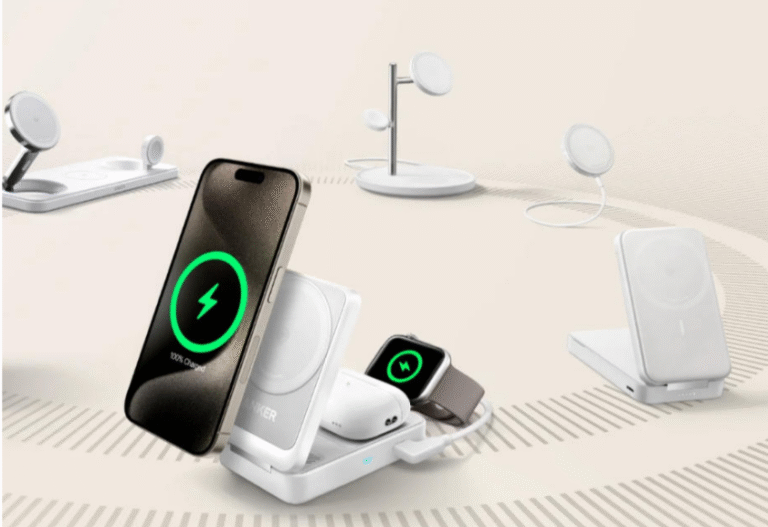
What Makes a Wireless Power Bank Convenient to Carry?
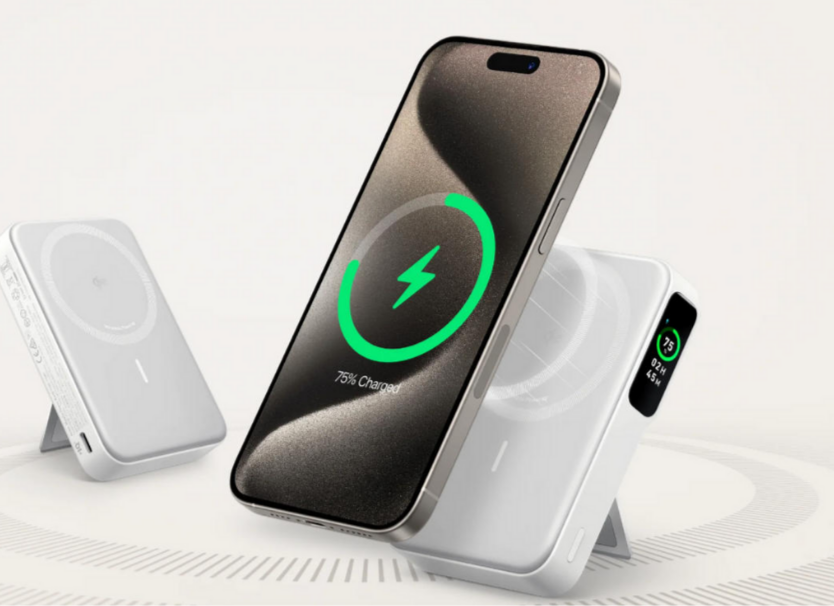
A wireless power bank feels convenient when it disappears into your routine instead of interrupting it. You pick it up, slip it into a pocket or bag, and rely on it without thinking. The appeal does not come from raw power alone. It comes from how smoothly the device fits into daily movement, short trips, long commutes, and unexpected moments when battery levels drop. Wireless charging removes friction. No cable tangles. No port searching. A simple placement starts the charge. To understand why people increasingly choose wireless power banks, it helps to look closely at how design, usability, and everyday behavior work together to create true portability.
Design Features That Reduce Daily Friction
Cable-Free Use Simplifies Every Movement
Wireless power banks feel convenient because they remove one of the biggest annoyances in portable charging: cables. Users do not need to pack an extra cord or worry about forgetting one at home. They place the phone on the power bank, and charging begins. This action works well while walking, sitting, or waiting in line. The absence of cables also keeps pockets and bags organized. Nothing catches or bends when the user moves. Over time, this simplicity changes habits. People charge more often in short sessions because the setup feels effortless. That ease makes wireless power banks practical companions rather than emergency-only tools.
Compact Shapes Fit Natural Carry Habits
A wireless power bank becomes convenient when its shape matches how people already carry items. Slim profiles slide into jacket pockets or small handbags. Rounded edges feel comfortable in the hand. Balanced weight prevents the device from pulling clothing out of shape. Designers often study how phones rest against the body and mirror that form. This approach allows users to stack the power bank and phone together without feeling awkward. When the power bank aligns naturally with the phone, it feels like an extension rather than an extra object. That harmony explains why compact wireless designs feel easier to carry throughout the day.
Thoughtful Surface Design Improves Stability
Surface texture plays a quiet but important role in convenience. A wireless power bank must hold the phone securely while charging. Subtle grip materials help keep devices aligned, even when users move. This stability reduces the need for constant adjustment. People can walk, sit, or check messages without worrying about the phone slipping off. The surface also affects comfort. Smooth but controlled finishes feel pleasant against skin or fabric. Over time, these small details create trust. Users know the power bank will behave predictably, which encourages them to carry it more often and rely on it in varied situations.
How Wireless Power Banks Support Mobile Lifestyles
Seamless Charging During Short Breaks
Wireless power banks support modern lifestyles by making short charging moments useful. Users do not wait for long sessions. They charge while grabbing coffee, riding public transport, or standing in line. Wireless placement takes seconds, so people take advantage of small windows of time. This pattern keeps battery levels stable throughout the day. Users feel less pressure to reach a wall outlet. The power bank becomes part of movement rather than a pause. This behavior explains why wireless designs feel convenient. They adapt to how people actually live, rather than forcing changes in routine or posture.
Reduced Setup Stress While Traveling
Travel highlights the value of convenience. Wireless power banks reduce setup stress in crowded or unfamiliar spaces. Users do not unpack cables or search for compatible ports. They place the phone on the power bank and continue moving. This ease matters in airports, stations, and busy streets. It also helps during one-handed situations, such as holding luggage or coffee. Some travelers compare wireless models to carrying an apple power bank, expecting a clean, simple experience. Brands like Anker design their wireless power banks around this expectation, focusing on smooth integration rather than complicated features.
Confidence in Shared and Public Spaces
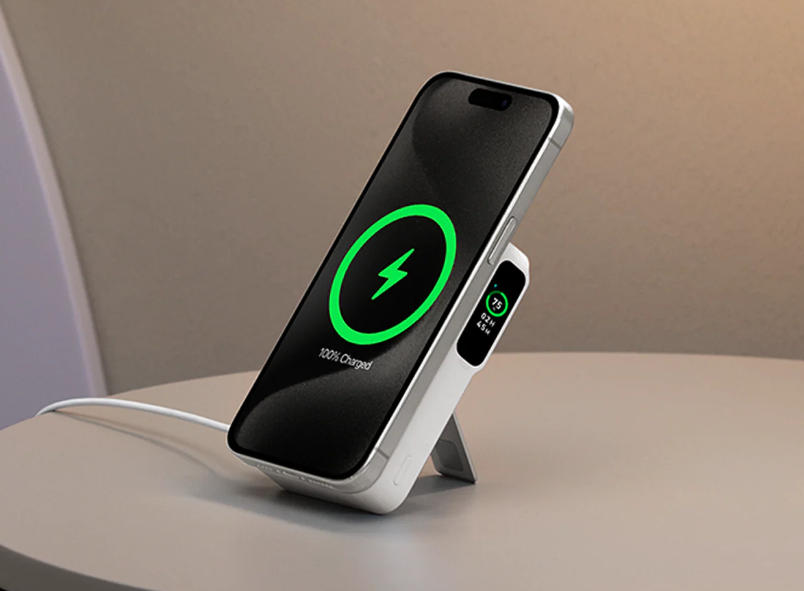
Wireless power banks feel comfortable to use in public spaces because they look tidy and self-contained. No loose cables draw attention or occupy extra space. Users keep their devices close and controlled. This compact setup works well in cafés, coworking areas, and transit seats. People feel confident placing the power bank on a table or holding it while standing. The design signals simplicity and order. Over time, this visual and physical calm contributes to perceived convenience. Users trust the device in social and shared environments, which reinforces its role as an everyday carry item.
Conclusion
A wireless power bank becomes convenient to carry when it blends seamlessly into daily life. Cable-free charging removes friction and encourages frequent, short use. Compact shapes and balanced weight fit naturally into pockets and bags. Stable surfaces keep devices aligned without constant attention. These design choices support modern movement, travel, and public use. Wireless power banks also reduce mental load. Users stop planning charging sessions and start charging intuitively. Light integration of trusted brands like Anker reflects this focus on reliability and simplicity rather than excess. Convenience comes from thoughtful design that respects how people move, wait, and live. When a power bank works quietly in the background, it earns its place as a true everyday companion.